

National Biotechnology Commission Visits Florida, Highlighting Growing Life Sciences Ecosystem
Two-day visit to Tampa Bay and the University of Florida showcases the states expanding biotechnology capabilities, workforce development opportunities and growing role in American biotechnology innovation
TAMPA, Fla. (Nov. 10, 2026) — Florida's growing role in the biotechnology industry is in the national spotlight as the National Security Commission on Emerging Biotechnology (NSCEB) visited the Tampa Bay and Gainesville areas to learn more about the research institutions, health care systems and innovation assets helping position the state as an emerging hub for biotechnology. The visit was a part of the NSCEB’s Biotech Across America Roadshow.
The Roadshow visit highlighted opportunities to strengthen regional collaboration, accelerate innovation, develop a skilled biotechnology workforce and advance American leadership in the industry.
“The NSCEB's visit showcased Florida's growing life sciences sector, which connects a dedicated, well-educated workforce to cutting-edge cross-disciplinary science in an ecosystem determined to treat and cure the nation's most difficult diseases,” said NSCEB Executive Director Caitlin Frazer. “The next iteration of biotech innovation is happening in Tampa and Gainesville, and the Commission is excited for the region's role in the biotechnology ecosystem to continue to grow.”
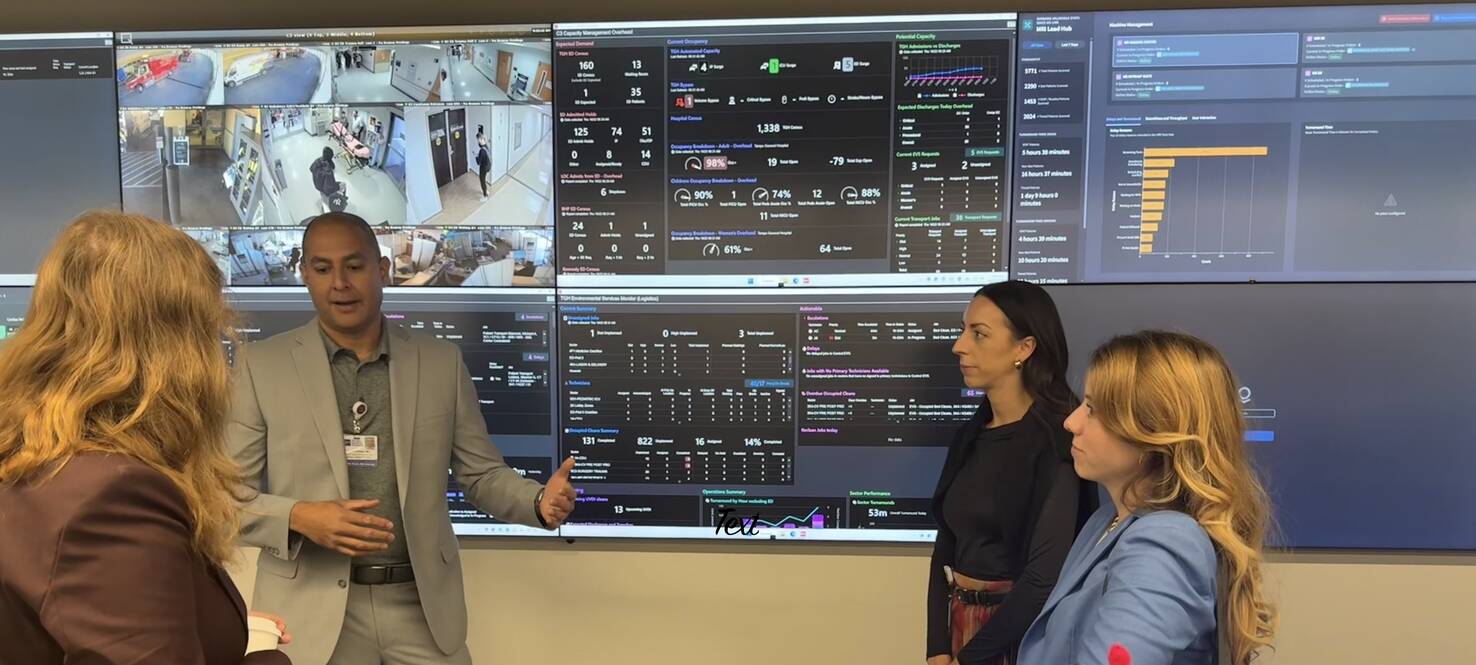
The Tampa Bay tour included visits to Tampa General Hospital's Care Coordination Center, the University of South Florida's Center for Advanced Medical Learning and Simulation (CAMLS), two key assets within the Tampa Medical & Research District, as well as USF CONNECT and USF Research Park. The day culminated at Speros, Moffitt Cancer Center's 775-acre life sciences campus in Pasco County, where NSCEB staff attended the grand opening of the 250,000-square-foot Moffitt Discovery and Innovation Center. By the end of 2026, the facility is expected to house approximately 250 researchers and staff specializing in drug discovery, bioengineering, cancer metabolism and other promising areas of cancer research. It will also support biotechnology incubation and radiopharmaceutical research and development, connecting scientific discovery with opportunities for commercialization and industry partnerships.
While at Speros, NSCEB staff delivered a briefing to elected officials and biotech ecosystem leaders on the critical work of the Commission and the need for local leadership on these topics. During that briefing, regional leaders highlighted the area's biotechnology capabilities and discussed strategies to strengthen the biotech ecosystem and Florida’s long-term competitiveness. Participants also explored the importance of developing a skilled talent pipeline to support the industry's growth, research commercialization, startup development, and public-private partnerships to enable emerging technologies such as radiopharmaceuticals.
The roadshow continued in Gainesville with a visit to UF Biotility, hosted by UF Innovate at the University of Florida, further highlighting the state's research capabilities and opportunities to strengthen connections across Florida's biotechnology ecosystem. The two-day visit underscored the importance of strong institutional anchors, regional collaboration, workforce development and connecting academic research with industry to accelerate innovation and economic growth.
"Florida has an extraordinary opportunity to become a national leader in biotechnology," said Hannah Mae Merten, executive director of strategy for Speros by Moffitt. "Across Tampa Bay, we have world-class research institutions, clinical expertise, entrepreneurial talent and growing infrastructure. By connecting these assets, investing in workforce development and bridging our regional institutions, we can accelerate scientific discovery, attract investment, create high-quality jobs and bring life-changing innovations to patients. The commission's visit underscores the growing national interest in what Florida is building."
The NSCEB was established by Congress to examine the national security implications of emerging biotechnology and develop recommendations to strengthen U.S. leadership and competitiveness in this rapidly advancing field.
The visit comes amid significant momentum for Florida's biotechnology industry. On Oct. 29, the U.S. Economic Development Administration announced a $47.3 million grant to the FORGE coalition, led by Moffitt Cancer Center and Speros in partnership with the University of South Florida, Pasco-Hernando State College and Embarc Collective. The investment will help establish Tampa Bay as a Southeastern hub for radiopharmaceutical innovation, manufacturing and workforce development, further strengthening the region's role in advancing next-generation cancer treatments and biotechnology innovation.
###
About Moffitt Cancer Center
Moffitt is dedicated to one lifesaving mission: to contribute to the prevention and cure of cancer. The Tampa-based facility is one of only 58 National Cancer Institute-designated Comprehensive Cancer Centers, a distinction that recognizes Moffitt’s scientific excellence, multidisciplinary research, and robust training and education. Moffitt’s expert nursing staff is recognized by the American Nurses Credentialing Center with Magnet® status, its highest distinction. For more information, call 1-888-MOFFITT (1-844-453-0589), visit Moffitt.org, and follow the momentum on Facebook, X, Instagram and YouTube.
About Speros
Speros is a 775-acre campus in Pasco County, Florida, designed to accelerate cancer prevention and treatment through strategic industry partnerships and by forging collaborative space for scientific research and clinical care. Anchored by Moffitt Cancer Center, Speros imagines a new frontier for research and development with a mission-driven real estate venture where groundbreaking discoveries become lifesaving treatments. For more information, visit Speros.org or follow Speros on LinkedIn and X.
About Biotility
Biotility at the University of Florida is dedicated to delivering high-quality credentialing and professional development for the biotech industry. With a primary objective of preparing the next generation of workforce talent and enhancing the skills of existing employees in the bioscience sector, Biotility collaborates with industry leaders to identify employment needs and develop relevant credentials and course content—staying abreast of industry trends and providing participants with the core competencies required to succeed in the field of biotechnology.